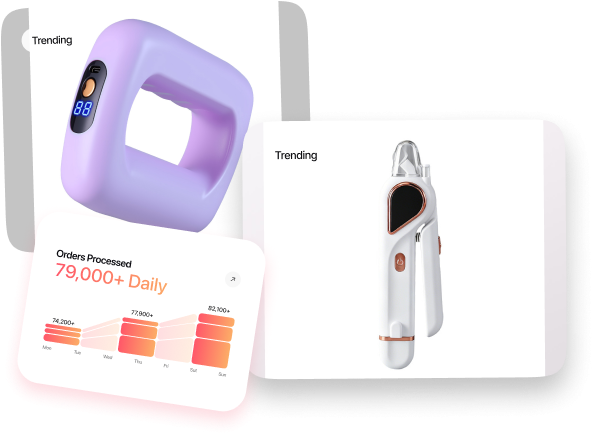




The year 2026 has brought significant shifts to the e-commerce market. Smart shopping agents now change how buyers discover items and compare prices across the internet in meaningful ways. At the same time, social platforms such as TikTok Shop along with short-video networks help new dropshipping trends spike faster than ever before. A quiet product can suddenly become an overnight hit within just a few hours. However, success does not arrive automatically. Recent changes to de minimis tax policies have made shipping cheap, small parcels across borders face higher costs and more complex customs checks. Competition remains fierce. Today’s consumers expect lightning-fast delivery times, clear tracking updates, and responsive customer support.
Right now, AI dropshipping automation is no longer only about finding winning products. It is about connecting product sourcing, supplier verification, quality control, warehouse operations, shipping routes, tracking updates, and post-sale support into one reliable workflow. For growing sellers, an operational partner like Wiio combines AI-driven workflows with real supply chain execution, rather than just offering basic front-end tools.
The New Dropshipping Reality: AI Cannot Fix a Weak Supply Chain
Many sellers still think a clever script can run their entire business alone. Software might pull market data and write product descriptions, but it cannot physically pack a box or argue with a factory over a delayed shipment. A weak supply chain breaks under the pressure of a scaling store. If you sell a thousand items but cannot ship them, you will face customer chargebacks and suspended ad accounts.
From Viral Product Hunting to Supply Chain Readiness
Years ago, catching a viral video and finding a low factory price was enough to build a highly profitable store. Today, you have to look past the instant hype and decide if an item can actually survive long-term sales. Sellers need to think about physical weight, package volume, damage rates in transit, return risks, and realistic profit margins. Factory stability matters just as much. Is the item suitable to be stocked in a local warehouse? Does it leave room for custom branding? Finding these answers manually used to take hours of back-and-forth messaging.
This is where Wiio changes the process. Sellers can browse their online mall, pull from ready-to-go lists, and use image or keyword search features to cut research time down to minutes. If you cannot find what you need in the catalog, our human sourcing team will track down the exact match for you. You can check out our online products and review the latest recommendations. With this support, you spend less time hunting for items and more time running your ad campaigns.
Product Sourcing Automation: Turning Demand Signals into Sellable Products
True product sourcing automation goes far beyond just pointing at what is popular right now. It scans social media heat, Google Trends, TikTok engagement, competitor pricing, buyer reviews, and common return complaints to spot real market demand. It tells you what people want before they even search for it. But a product is only good if the supply chain can actually handle it. Before you launch your next major ad campaign, run your ideas through this sourcing checklist:
- Is the product already saturated in the market?
- Can it be sourced at a stable, predictable cost?
- Is the supplier reliable enough for scaling volume?
- Can the product pass basic quality checks?
- Is the product suitable for fast shipping or local warehouse stocking?
- Can it support bundles, custom packaging, or private branding?
Answering these questions prevents you from investing heavily into an item that will only cause headaches and refund requests later down the line.
Why Human-Assisted Sourcing Still Matters
Computer programs are great at reading data trends, but they have obvious blind spots. An algorithm cannot walk a factory floor to check real production capacity. It will not notice subtle differences in fabric materials, packaging details, or batch consistency over time. It also cannot sit down and negotiate lead times or handle complex after-sales issues with a manufacturer.
Wiio works directly with over 100,000 verified factories, bridging the gap between digital data and physical goods. We help sellers source products beyond what they can quickly find in a public marketplace. A tool might tell you an item fits a dropshipping trend, but human experts make sure that item actually arrives at your customer’s door in perfect condition.
Order Automation: From Store Syncing to Quotation and Payment
Scaling a store sounds great until you suddenly hit a hundred orders a day and your daily operations break down. When a product catches fire, order volume can jump from ten to a thousand overnight. Doing things by hand becomes a nightmare. Copying addresses, hunting down reliable suppliers, asking for individual quotes, picking shipping methods, and pasting tracking numbers leads to costly mistakes. The true value of automated order fulfillment is taking those repetitive tasks off your plate. It speeds up processing times and cuts down human error significantly.
The Wiio platform makes this completely effortless. Once you link your store, the platform automatically captures your new sales. Wiio supports simple connections for platforms like Shopify, Yampi, WooCommerce, and CartX. With just one click, all your daily orders sync directly to the system. There is no need for multiple manual actions. The system processes the quotation and handles bulk payments, so you can push hundreds of orders through the pipeline in just a few minutes.
Fulfillment Automation: Quality Checks, Warehousing, and Smarter Shipping Routes
The back end of your business is where you actually keep your hard-earned profits. A strong dropshipping fulfillment setup happens in three distinct layers to protect your brand reputation.
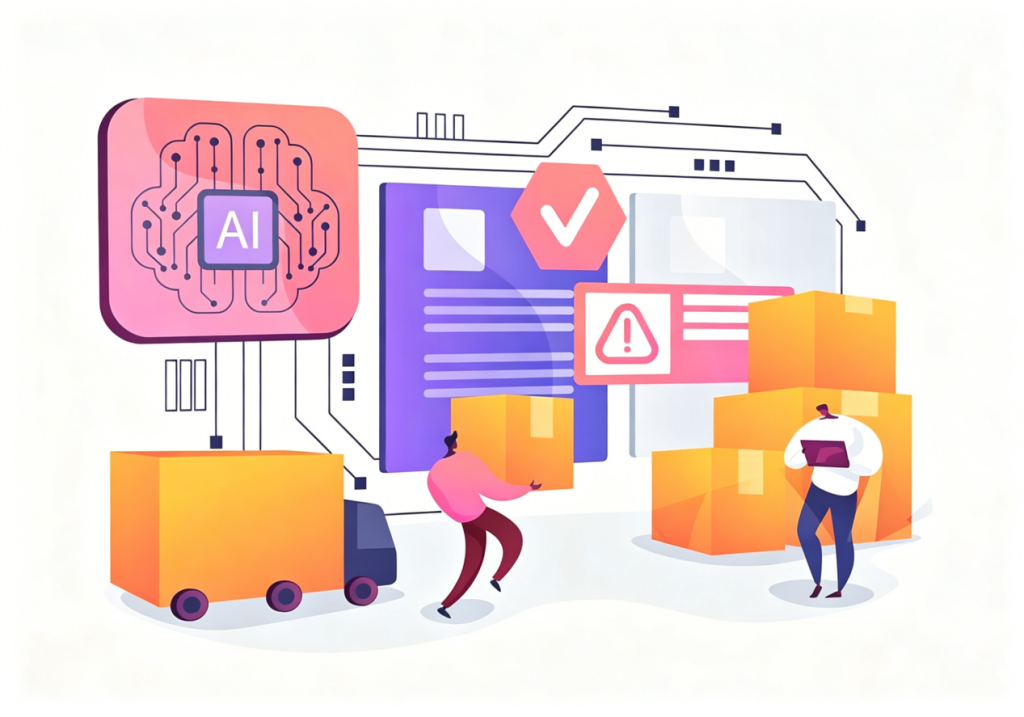
First is quality control automation. Sending broken items ruins your store reputation and drains your ad budget. A solid system uses a strict 3-step quality check before shipping. This includes a first check upon factory arrival, a second verification during sorting, and a final check before printing the shipping label and packaging to catch any defects.
Second is warehouse automation. Smart scanning, automated sorting, precise picking, and fast packing keep the warehouse floor moving quickly. This catches wrong items before the box is ever taped shut.
Third is shipping route automation. A smart setup automatically picks the best delivery carrier based on the destination country, package type, delivery speed, and overall cost.
Why Local Warehouses Matter in an AI-Driven Fulfillment System
Relying on a single international shipping line is a massive risk. Cross-border parcels face constant threats from changing tariffs, strict customs rules, regional conflicts, port jams, and limited cargo flights. Having goods placed in a local warehouse does more than just speed up delivery. It removes a huge amount of uncertainty from your daily operations.
Wiio operates global overseas warehouses and multiple logistics channels, offering excellent global average delivery times of 6 to 15 days. By stocking inventory in local hubs like Brazil, you can hit 2 to 7-day delivery windows, balancing out international shipping risks. This local presence naturally drives up your repeat purchase rates and keeps your buyers extremely happy.
Post-Purchase Automation: Tracking, Branding, and Repeat Purchases
Many store owners put all their energy into getting the first sale, completely forgetting about the customer once the box ships. The cost of acquiring a new customer is always higher than keeping an existing one. AI dropshipping automation helps you monitor tracking updates, flag delayed parcels, gather buyer feedback, and identify items with high return rates.
It also gives you the perfect space to build a real brand. Using custom packaging, unique unboxing materials, and special thank you cards shifts your business from a cheap reseller to a memorable brand experience. Real automation is not just clicking fewer buttons on a screen. It is about creating a stable, predictable journey for your buyer from the second they pay to the moment they decide to order from you again. Elevating your brand image turns casual buyers into loyal fans.
Conclusion
The real value of an AI dropshipping automation strategy goes way beyond generating product titles, copying item links, or setting up a store listing. Truly competitive automation must cover product sourcing, supplier verification, quotation, order syncing, quality control, warehouse operation, shipping route selection, tracking updates, and after-sales support. By combining intelligent software with dependable real-world logistics, you build a business that can actually survive and scale. You cannot rely on just finding a temporary hit product anymore; your delivery and service must be flawless. Stop letting supply chain headaches hold you back. Contact Wiio today and turn your backend operations into your biggest competitive advantage.
FAQs
Q: Can AI fully automate a dropshipping business?
A: AI dropshipping automation speeds up store syncing and data, but you still need a fulfillment partner for physical execution.
Q: How does AI help with product sourcing in dropshipping?
A: Product sourcing automation spots social trends quickly. You can then use the Wiio sourcing catalog to find verified matches.
Q: Why should dropshipping sellers work with a fulfillment partner like Wiio?
A: Wiio handles automated order fulfillment, global shipping, and quality checks, letting you focus entirely on marketing and brand growth.