



Early 2026 has brought major shifts to the global e-commerce industry. Social media advertising costs are hitting new highs, and consumer patience for long shipping times has reached absolute zero. Shoppers now expect their online purchases to arrive in days, not weeks, largely driven by the massive logistics networks of global retail giants. Because of these harsh market conditions, many beginners and seasoned sellers alike are asking if starting an online retail store makes financial sense right now.
The reality is that running a profitable dropshipping business remains highly achievable, but the old methods of throwing cheap, random items onto a basic website simply fail today. The market grew up. Success right now depends heavily on strict cost control, finding genuine factory partners, and delivering a premium brand experience. Let us break down the exact numbers, strategies, and operational changes you need to survive and make real money this year.
The Short Answer: Yes, But the Game Has Changed
Is the business model dead? Absolutely not. Global e-commerce revenue continues to climb by billions of dollars every single year. People are buying online more than ever before. However, the profit pie is not shared equally among all sellers.
The sellers who struggle are the ones clinging to outdated tactics. They use public middleman platforms, they accept 30-day shipping times, and they ignore product quality. On the other hand, sellers who treat their storefronts like real, long-term brands are seeing record numbers. They focus on the back end of their business. They source items directly from massive industrial ecosystems, cut out the extra fees, and build real trust with their buyers. You have to adapt to these new rules to see a return on your investment.
Let’s Look at the Real Math and Margins
You cannot run a business effectively without opening a spreadsheet and analyzing your actual costs. A healthy dropshipping profit margin usually sits somewhere between 15% and 30%. If your margin drops below 15%, a single bad day of running ads will push your store into the red. Let us look at a real-world example of selling a high-quality smart posture corrector for $45.
Product Sourcing Costs
If you buy that posture corrector from a standard public marketplace, you might pay $15. That price includes a markup from a middleman. However, if you source directly from the factories that handle global industrial production, your cost drops significantly. Having access to a vast product catalog where you can get direct quotes independently changes the math. You might get that same item for $10, putting five extra dollars straight into your net profit.
Shipping and Order Fulfillment
Getting the item from a warehouse in Asia to a buyer in the United States or Brazil costs money. Standard shipping might cost $8. If you choose a cheap, slow shipping route that takes a month, your refund rates will destroy your bank account. You need reliable 5 to 15-day delivery with real-time tracking links. Partnering with a professional team for your order fulfillment keeps your customers happy and completely eliminates the nightmare of chargebacks.
Ad Spend and Marketing
This is where most of your money goes. Getting a stranger on the internet to trust your site and spend $45 takes effort. You will likely spend around $15 on short-form video ads or search campaigns just to acquire that single customer.
Payment Processing and Platform Fees
Your website platform and your payment gateways will always take a cut. This usually equals about 3% of the sale plus a flat transaction fee, totaling roughly $2. Having smooth, integrated payment solutions stops buyers from abandoning their carts at the last second.
The Final Calculation: $45 (Revenue) – $10 (Product) – $8 (Shipping) – $15 (Ads) – $2 (Fees) = $10 pure net profit. That gives you a solid 22% margin. You must defend this margin fiercely by controlling your product and shipping costs.
How Much Money Can You Actually Make?
Sellers always want to know what the final paycheck looks like. The answer depends heavily on your available budget, your marketing skills, and how much time you put in.
The Beginner Level
During your first two to three months, you are basically paying for data. You might spend $500 to $1,000 testing different items and learning how to read advertising dashboards. Most beginners lose a little money or barely break even at this stage. This is normal. You are figuring out what a trustworthy storefront looks like and how to write good product descriptions.
The Intermediate Seller
Once you find two or three items that sell consistently, the math changes. Intermediate sellers usually pull in $2,000 to $6,000 in pure profit every month. At this stage, you spend a few hours every day launching new ad creatives, answering customer emails, and watching your daily metrics closely. The business is stable, but it still relies heavily on your daily manual input.
The Advanced Brand Owner
Sellers generating $20,000 to over $100,000 in monthly profit do not act like typical dropshippers. They run professional brands. They use custom branded packaging, they shoot high-end original videos, and they never process orders manually. They rely entirely on software and agency partners to handle the physical goods while they focus 100% of their energy on scaling new markets and planning marketing angles.
Core Factors That Decide Your Profitability
What actually separates a store that closes after a month from a store that scales to seven figures? It comes down to three main operations.
Finding True Winning Products
A cheap plastic toy that breaks in two days is no longer a good item to sell. Shoppers want value. Finding winning products today means locating items that solve a very painful daily problem or trigger a strong emotional response. For example, a specialized ergonomic mouse for video editors has a high perceived value. You can easily charge $65 for it, even if the factory cost is only $14. Market research and fast testing dictate your success here.
Partnering With Reliable Suppliers
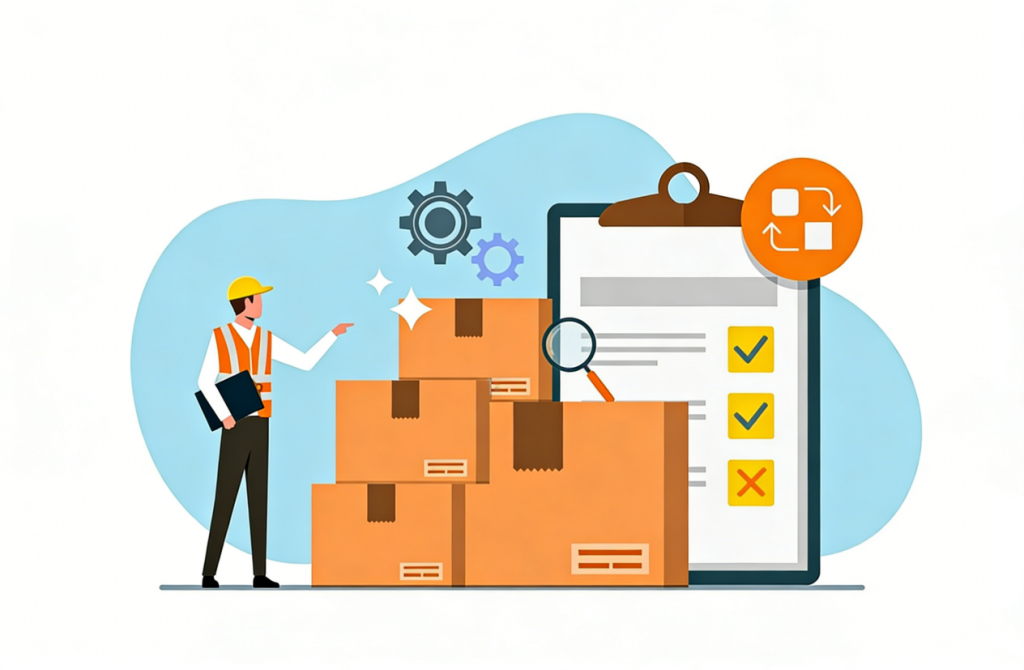
Your business is only as strong as the factory packing your boxes. If a supplier sends out the wrong color, provides fake tracking numbers, or ships broken items, your payment processor will freeze your funds. You need reliable suppliers who take quality control seriously. The modern standard requires strict processes: a first check when goods arrive from the factory, a second verification during packing, proper label printing, and a final check before shipping. This level of detail keeps your business alive.
Upgrading Your Dropshipping Automation
If you get 150 orders on a Tuesday, copying and pasting customer addresses one by one will ruin your entire day. Time spent doing manual data entry is time you are not spending on making better ads. You must implement dropshipping automation. When a customer buys something at 2 AM, the software should instantly send that order to your warehouse, trigger the picking process, and sync the tracking number straight back to the buyer’s email automatically.
The Best Channels for Profitability in 2026
Where you sell and how you reach your buyers matters just as much as what you sell. Different channels offer different advantages.
The Surge of TikTok Dropshipping
Short-form video has permanently changed how consumers discover new items. TikTok dropshipping is incredibly powerful right now because the algorithm can push a highly creative, 15-second video to millions of users organically. You do not always need a massive daily ad budget. If you understand how to hook human attention quickly and showcase a product’s main benefit visually, you can drive massive amounts of low-cost traffic directly to your checkout page.
Independent Stores and Local Markets
Selling through your own independent site built on Shopify or WooCommerce gives you total control. You own your customer data and can build long-term email lists for repeat sales. Furthermore, if you sell in booming global markets like Brazil or Europe, connecting local tools is mandatory. Buyers in Brazil prefer checking out through local platforms like Yampi, Nuvemshop, or CartX. European buyers require proper IOSS configurations for taxes. The best operational strategy is to sync your store integrations directly with a fulfillment partner who handles these global checkout tools seamlessly.
Conclusion
The e-commerce landscape has absolutely matured, and the days of effortless online money are completely over. However, for those willing to adapt, the financial rewards are still massive. Remaining profitable in 2026 demands strict attention to your back-end operations. You have to secure direct factory pricing, provide fast shipping, and rely on automated systems so you can focus entirely on your marketing strategies. Stop trying to do everything yourself. Working with a dedicated partner that handles sourcing, strict quality checks, and seamless platform integrations gives you the ultimate competitive edge. Wiio provides the exact end-to-end infrastructure your store needs to scale quickly and safely. Contact us today to lower your costs and build a brand that lasts.
FAQs
Q: What is a good dropshipping profit margin?
A: A healthy dropshipping profit margin usually falls between 15% and 30% after deducting products, shipping, and ads.
Q: Can TikTok dropshipping actually make money?
A: Yes, TikTok dropshipping remains highly effective because engaging short videos drive massive organic traffic to winning products quickly.
Q: How do I handle large order fulfillment easily?
A: Connect reliable suppliers to your store using dropshipping automation tools to process, pack, and ship orders instantly.