



New sellers often ask: is dropshipping legal, and is dropshipping dead? The useful answer is not a slogan. Dropshipping is legal when the store sells lawful products, keeps records, pays duties and taxes, describes products honestly, and gives customers a real shipping and after-sales path. What is dying is the lazy version: copied pages, no supplier proof, slow tracking, and late support.
Market data also shows that the model has not disappeared. According to Grand View Research, the global dropshipping market is projected to reach USD 583.5 billion in 2026, eventually climbing to USD 2.18 trillion by 2033 with a 20.7% CAGR. That does not mean every store will win. It means demand still exists, but the truth about dropshipping is that weak execution is easier to expose.
For sellers trying to understand dropshipping in 2026, the better question is whether the store can prove its products, supplier path, fulfillment route, payment records, and customer experience. A serious partner should support the operating chain behind the storefront, not just a product list.
Quick Answer: What Is Still Alive, and What Is Already Dead?
| Question | Short answer | What sellers should check |
| Is dropshipping legal? | Yes, as a fulfillment model. | Product legality, tax setup, supplier records, truthful claims, and delivery proof. |
| Is dropshipping dead? | No, but the careless version is weaker. | Quality, route, tracking, and after-sales before scaling ads. |
| What changed in 2026? | Trust signals matter more. | Payment reviews, complaints, records, refunds, and package experience. |
| Where does Wiio fit? | Behind the store, not in front of the hype. | Sourcing, quality checks, warehousing, shipping routes, tracking, and packaging. |
What Does the Myth vs. Reality Gap Show About Dropshipping?
The gap is useful because it separates the model from the weak habits around it. Sellers can then fix the parts that create risk instead of blaming the whole fulfillment model.
| Common belief | Closer reality in 2026 | Practical response |
| “Dropshipping is illegal.” | The model is legal in many markets, but sellers remain responsible for claims, taxes, platform rules, and communication. | Keep supplier records, product proof, invoices, tracking evidence, and refund logs. |
| “The market is too crowded.” | Low-effort stores are crowded. Stores with clearer product control and faster support still have room. | Check total order cost and customer experience, not only product price. |
| “AliExpress-style blind testing still works.” | It can still help early research, but it becomes risky when volume grows and the supplier path is unstable. | Move winning products into controlled sourcing and fulfillment. |
| “Fast ads can fix everything.” | Ads can create traffic. They cannot fix broken packing, wrong variants, late tracking, or weak after-sales. | Review fulfillment proof before scaling spend. |
This is where many sellers misread ecommerce trends 2026. The harder trend is proof: platforms, payment providers, and buyers want cleaner evidence when an order goes wrong.
Where Do Dropshipping Legal Issues Usually Start?
Legal trouble rarely starts with the word “dropshipping.” It usually starts with a weak store operation: restricted product, copied photo, unrealistic delivery promise, missing supplier record, unclear RFQ note, sample change, packing format, or a product that does not match the page.
Risk Map for Legal Trouble
A risk map keeps the discussion practical. Sellers can check which part of the operation lacks proof, then collect the record before ads or order volume grow.
| Risk area | What can go wrong | Proof that reduces risk |
| Product rights | Copied logos, copyrighted designs, unsafe claims, or restricted items. | Supplier confirmation, original photos, product documents, and conservative product-page claims. |
| Supplier traceability | No clear factory or sourcing record when the platform asks questions. | Quotation records, invoices, sample notes, and sourcing communication history. |
| Fulfillment promise | Shipping time shown on the store does not match the real route. | Route record, carrier scan, tracking update, and delivery window by market. |
| Payment review | Chargebacks, refund spikes, and unclear order evidence make the store look risky. | Order logs, customer messages, tracking proof, and refund reasons grouped by product. |
| Customer trust | The parcel feels generic, damaged, or unrelated to the store brand. | Package check, insert card, product condition photo, and after-sales response record. |
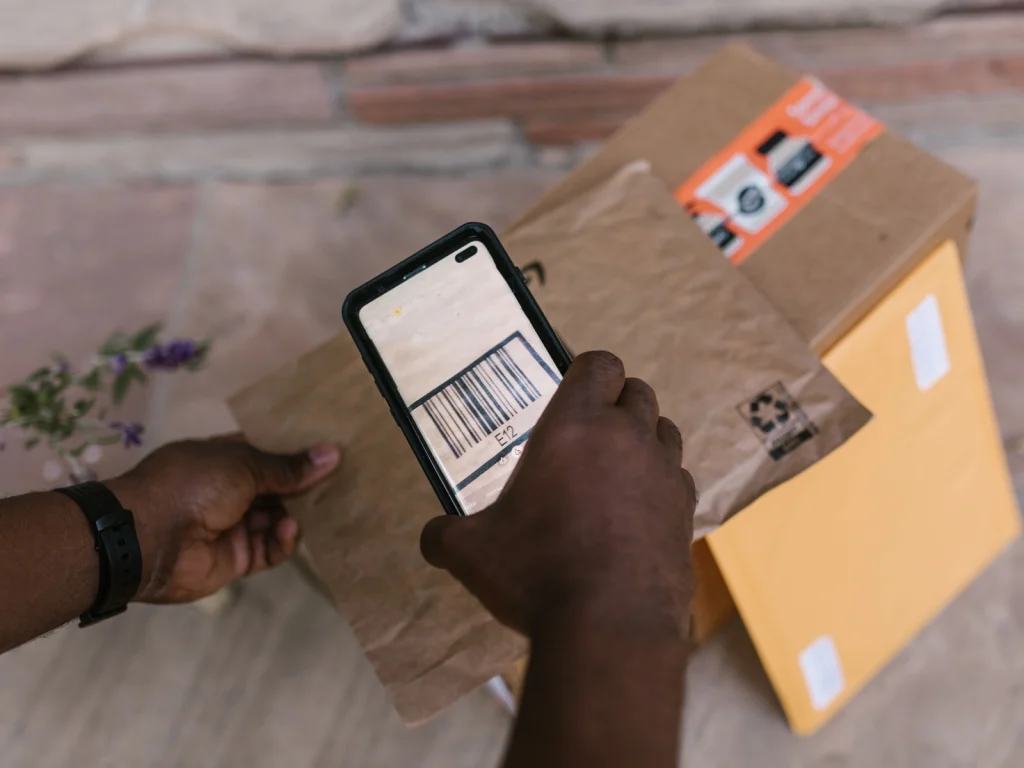
China’s 2025 real-name e-commerce merchant certification pilot is one sign that cross-border selling is moving toward traceable identity, invoice, and tax records. Rules vary by country, platform, and product type, so sellers should verify current requirements with their platform, payment provider, tax adviser, and logistics partner.
What Actually Died in Dropshipping?
The business model did not die. The shortcuts aged badly. A store can still use suppliers and fulfillment partners, but it has less room to hide poor product control. Customers compare every package with the better online stores they already know.
Shortcuts That No Longer Work
These shortcuts may still create spikes, but they are weak for stable orders and cleaner records. They usually fail when refunds, route delays, or supplier changes appear.
- Blindly copying a listing without checking supplier stability or product rights.
- Scaling ads before sample photos, variant details, packing, and route timing are confirmed.
- Using many scattered suppliers while pretending the store has one consistent brand experience.
- Promising fast delivery without checking inventory location, route limits, and tracking scans.
Wiio supports sellers across sourcing, supplier communication, purchasing, quality checks, warehousing, shipping routes, tracking, and after-sales support. Its supplier and product pool includes over 10,000 verified factories and more than 1 million products.
A return can mean wasted ad spend, frozen payment balance, extra support time, and lower trust in the next campaign. In one market case, supply chain, packaging, quality control, and delivery improvements were followed by a 96% positive review rate and a 15.5% repurchase rate. These are company case figures, not a universal promise.
How Can Sellers Build a More Legit Store in 2026?
A safer dropshipping operation starts before the first order ships. It asks boring questions early. That is usually a good sign. Who is the supplier? What can fail? How is the item packed? Which route fits the destination? What happens if a customer asks for proof?
Review Products Like an Operator
Before scaling a product, review it like an operator. A sourcing note should record RFQ details, reference photos or drawings, product format or geometry, size tolerance, load condition, test requirements, use environment, and any sustainability target used on the product page.
| Stage | What to check | Why it matters |
| Sourcing | Supplier stability, material consistency, product rights, price validity, and replacement handling. | A viral product is useless if it cannot be sourced legally and repeatedly. |
| Sample review | Reference photos or drawing, size tolerance, product format or geometry, material density when relevant, variant notes, carton weight, and package method. | These details reduce vague promises and later disputes. |
| Quality check | Wrong item, damaged item, missing accessory, surface defects, load condition, simple functional test, and visible packing problems. | Quality control should happen before customers discover the issue. |
| Warehouse and route | Inventory location, market fit, delivery window, route restrictions, and tracking update speed. | Shipping proof protects trust and reduces support pressure. |
| Brand layer | Custom packaging, thank-you cards, bundle rules, and special packing needs. | The parcel should feel connected to the store, not like a random supplier shipment. |
Sellers can use AI Dropshipping Automation: From Product Sourcing to Fulfillment as a reference for how sourcing and fulfillment steps connect in a more organized workflow.
When Should a Seller Move Beyond Basic Product Testing?
A store does not need enterprise systems on day one. But it should move beyond casual testing when a product shows repeatable demand, refund reasons become visible, or daily order volume makes manual checking messy.
| Store stage | What usually works | What starts to break |
| Early testing | Flexible product search, small sample orders, simple manual checks. | Supplier records may be thin, but order risk is still limited. |
| First winning product | More stable sourcing, clearer variant notes, basic quality checks. | Ads can outrun supplier response and packing consistency. |
| Scaling stage | Connected sourcing, fulfillment, route choice, tracking, and after-sales records. | Manual spreadsheets and scattered supplier chats create errors. |
| Brand-building stage | Custom packaging, inserts, bundles, local warehouse planning, and repeat customer experience. | Generic parcels and slow support weaken customer trust. |
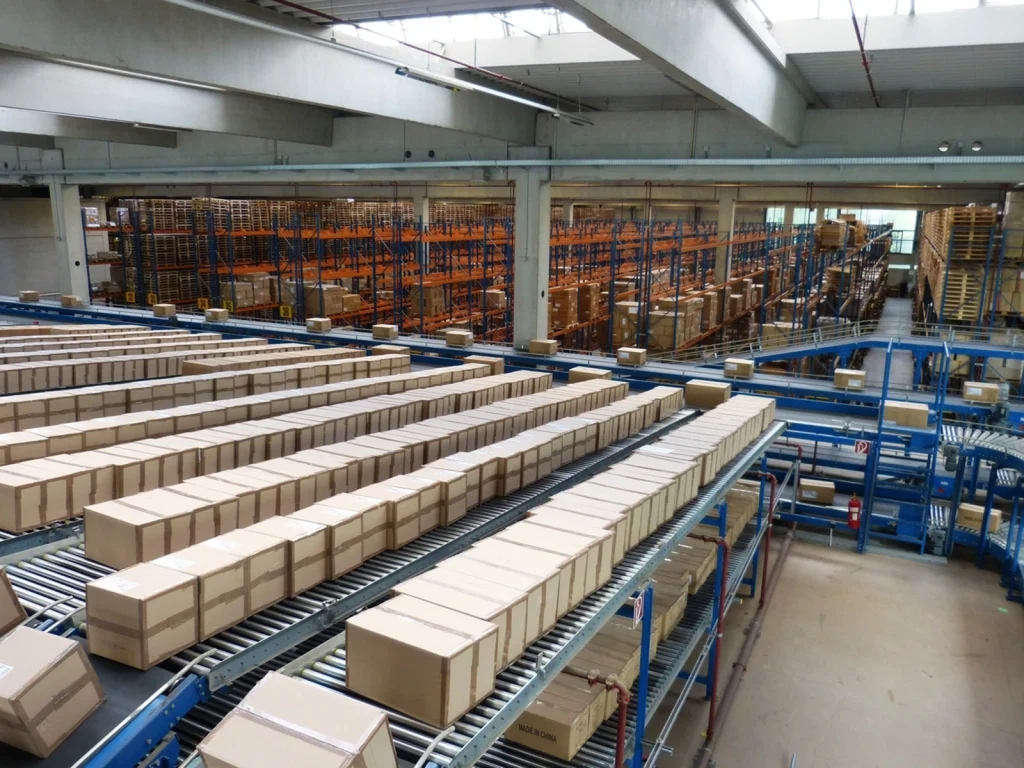
PRC is Wiio’s China-based main warehouse setup, not a separate shipping method. When the order and destination fit the channel, this route can support 6-15 day delivery windows. Stocked local warehouse inventory can shorten delivery to 2-7 days in eligible core markets. These times depend on inventory, destination, product type, route conditions, and current logistics capacity. Sellers can review Shipping Partners Of Wiio for broader shipping context.
What Should Sellers Check Before Calling a Store Legit?
A seller does not need a large legal team to start, but the store should not be built on guesses. Before increasing ads, check the basics below so product, payment, fulfillment, and support records match the promise on the store page.
- Product legality: avoid copied brands, unsafe claims, and products with unclear restrictions.
- Supplier traceability: keep quotation, invoice, factory or sourcing records, and sample approval notes.
- Product-page accuracy: match photos, size, material, color, variant, and packaging promise before scaling.
- Tax and payment setup: confirm entity, tax number, payment records, and platform rules for the target market.
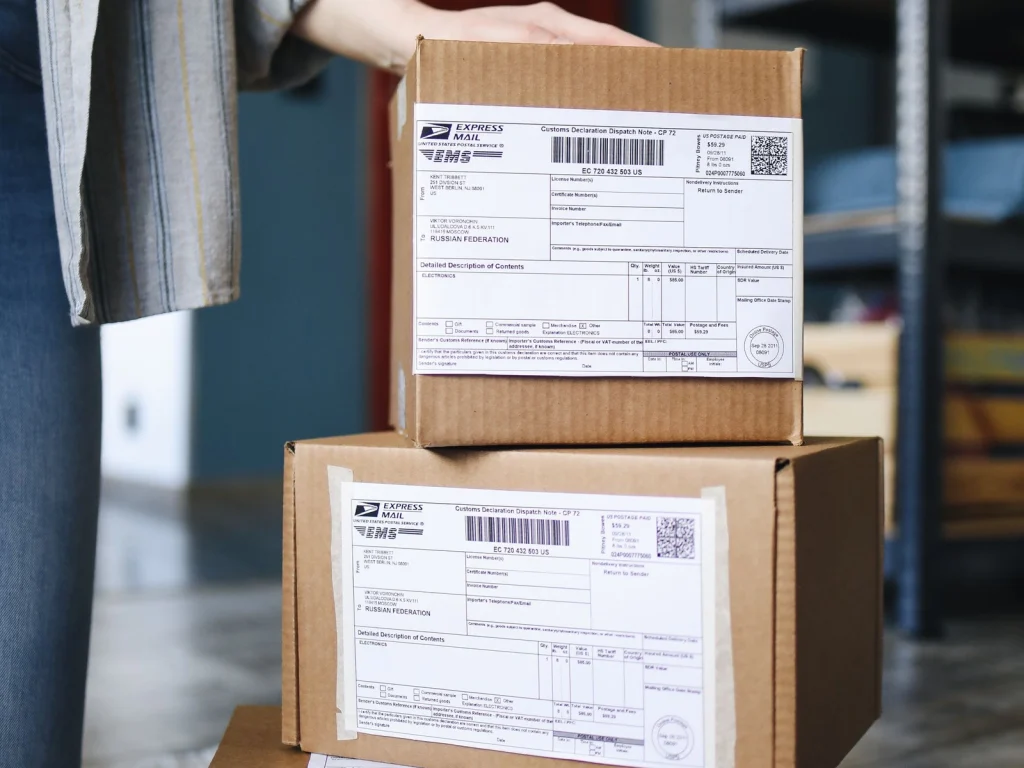
- Fulfillment proof: keep route records, tracking updates, delivery evidence, and warehouse handoff notes.
- Customer experience: test product condition, package appearance, delivery timing, return reason, and support response.
For account and payment setup, sellers can use Wiio Application Instruction and Wiio’s Payment as starting references, then confirm market-specific tax and legal details with qualified advisers.
Conclusion
So, is dropshipping legal? Yes, with lawful products, clean records, truthful claims, proper tax handling, and reliable fulfillment. Is dropshipping dead? The careless version is fading fast. The stronger version looks more like real commerce: verified sourcing, controlled quality, traceable shipping, clear after-sales support, and a brand experience customers can trust.
Wiio helps sellers move in that direction by connecting sourcing, fulfillment, custom packaging, shipping routes, tracking, and support. Sellers can Contact Us to review whether their product, supplier, shipping, and brand experience are ready for the next stage.
FAQs
Q1: Do I need an LLC or registered business entity to start dropshipping?
A1: A beginner may be able to start as a sole proprietor in some markets, but this depends on local law, payment provider requirements, and tax rules. As the store grows, many sellers consider a registered entity for cleaner accounting and risk separation.
Q2: How can I reduce dropshipping legal issues before scaling ads?
A2: Start with product rights, supplier records, realistic product claims, route proof, and clear refund handling. These checks make the store easier to explain when a platform, payment provider, or customer asks for evidence.
Q3: Will customers know the products are dropshipped from China?
A3: They do not need to see supplier bills in the parcel when fulfillment is handled correctly. Wiio white label and private label services can support custom packaging, thank-you cards, and special packing requirements.