



Starting an online shop in 2026 has never been easier. The harder part is convincing first-time customers that your store is real, reliable, and safe to buy from.
If you’re running an online store for dropshipping, customer trust matters even more because you do not have years of brand history or a physical storefront to lean on. You have to build customer trust online page by page, message by message, and transaction by transaction. Payments are a major part of that trust: customers are more likely to complete checkout when they see familiar local payment methods and a payment experience that feels secure.
You Might Be Interested In: Is Dropshipping Still Profitable in 2026? What You Need To Know
What Customer Trust Means for a New Online Store
Before going deeper, it is worth defining customer trust in ecommerce. Customer trust is the confidence buyers place in your products, service, policies, payment process, and overall brand experience. In practice, customers decide whether to trust you based on a series of trust signals, including your communication style, website usability, reviews, payment options, and how transparent your store feels.
For anyone running a new online store for dropshipping, this creates a specific challenge: you don’t have the brand equity of Amazon, or the physical storefront that implicitly communicates legitimacy. You have a Shopify store a customer has never heard of, selling a product they saw in a TikTok ad. Every element in your store is a trust signal and the majority of beginners get most of them wrong. That is why new online store customer trust strategies should be built into the whole buying journey, not added as a last-minute badge.
The data makes the stakes clear. Baymard Institute’s research shows that ecommerce stores can achieve a 35.26% increase in conversion rate purely through better trust elements and checkout design. The checkout page is a crucial page because it is where a customer has to give sensitive financial information to a brand they are unfamiliar with. So, new online store customer trust strategies can’t just focus on design and copywriting, they need to address the entire experience. From an SEO and conversion perspective, this is where ecommerce trust and payment trust overlap.
You Might Be Interested In:How to Start Dropshipping on Shopify 2026: Build Your Store the Right Way
How to Build Customer Trust Online: 6 Practical Strategies
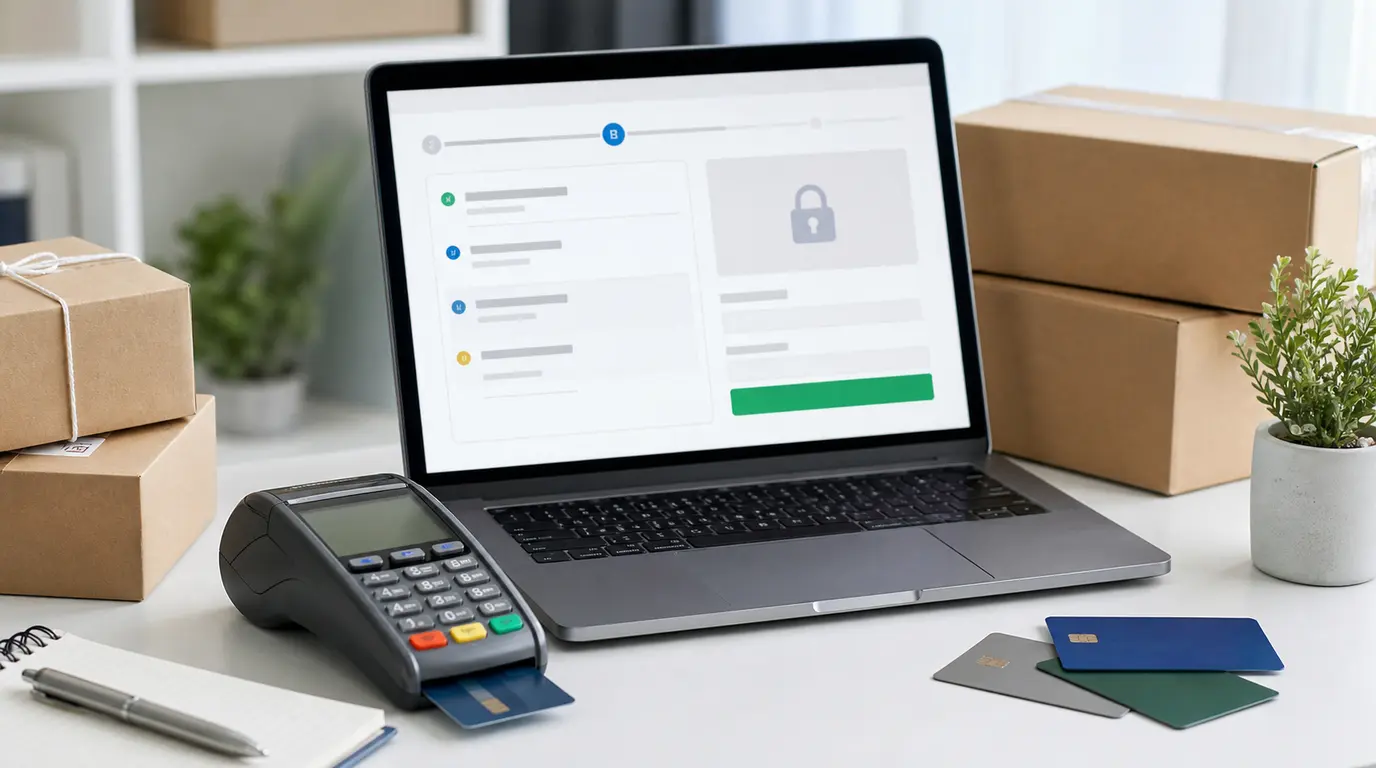
As a new store in 2026, you need intentional customer trust strategies that make your business look credible before customers reach checkout.
1. Offer Local Payment Methods Customers Already Trust
The highest-impact single change a new online store for dropshipping can make is adding local payment methods for its target market. This works on two levels: functional (customers can actually pay) and psychological (the store signals it was designed for them). For a new store, familiar payment options are not just a convenience; they are one of the strongest trust signals at checkout.
Think about the following. Customers from Brazil would expect to use payment systems like Pix or Boleto. Dutch users will expect iDEAL payments. By ignoring what is familiar to them, you’re basically telling your customers that your store wasn’t built with them in mind. Wiio Payment helps dropshipping merchants support local payment methods in key markets, which makes the payment step feel less risky for customers.
What You Can Do:
- Enable local payment methods with payment processors like Wiio Payment
- Display payment method icons prominently at checkout AND on product pages
- Always send confirmation emails after a purchase
2. Social Proof & Reviews
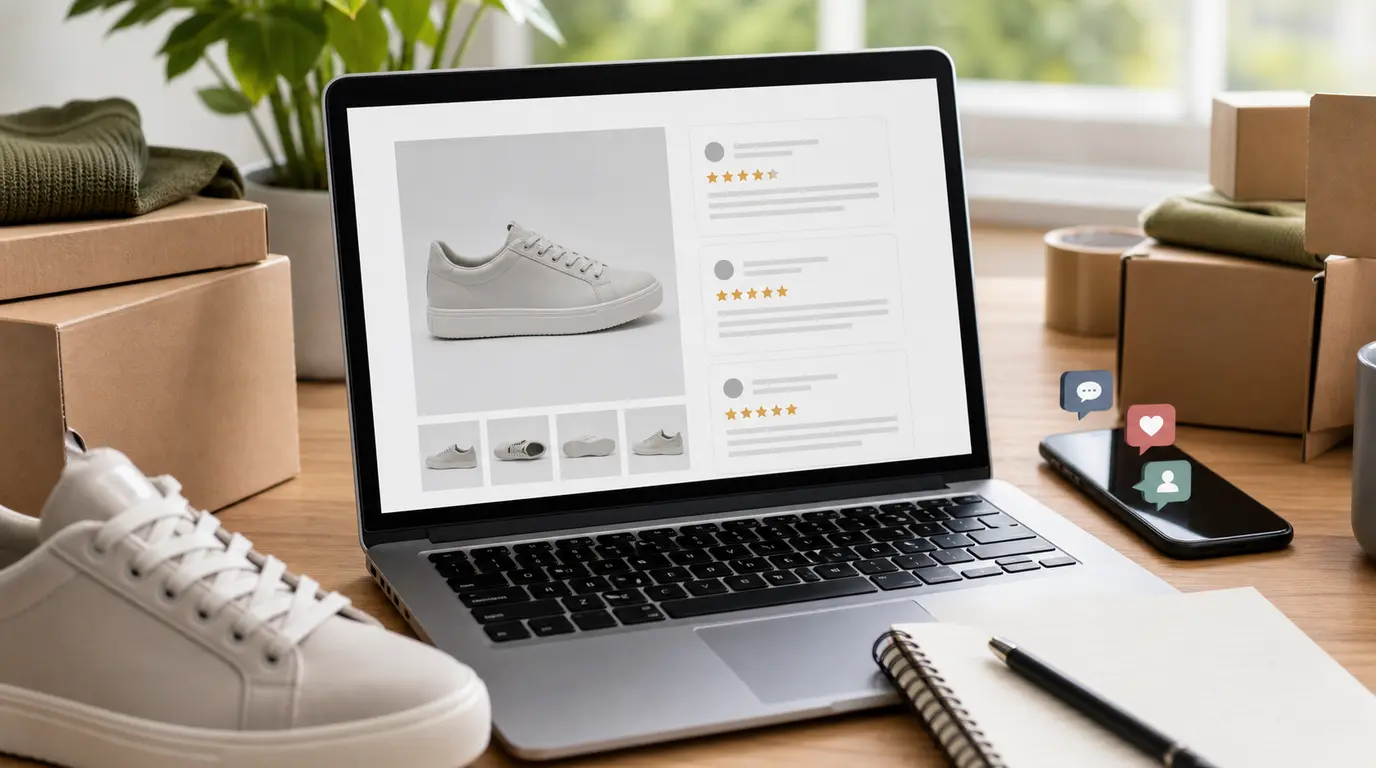
Customers trust other customers because reviews feel closer to real buying experiences than brand claims. For a new Shopify dropshipping store, this creates an initial challenge: you need reviews to convert, but you also need sales to get reviews.
What You Can Do:
- Display reviews on product pages with photos: Photo reviews tend to convert better.
- Respond to every review (positive and negative) within 24 hours
- Show review count prominently: “★ 4.8 (47 reviews)” visible without scrolling
3. Clear Return & Refund Policy
Many dropshippers overlook this. You may have clear policies, but your customers may not feel the same way. Therefore, you might go over each sentence and make any necessary revisions. To build customer trust through your online store, your policy page is as important as your product page. A clear policy helps answer one of the biggest pre-purchase questions: what happens if the product is late, damaged, or not what the customer expected?
What You Can Do:
- Write your policy in plain language: Legal jargon is acceptable when it comes with simple explanations.
- State the return window clearly and explain what the customer needs to do.
You Might Be Interested In: What Is a Fulfillment Center? A Comprehensive Guide to Risks and Benefits
4. WhatsApp Business
WhatsApp Business is a must for any Shopify dropshipping store that targets WhatsApp-dominated nations because customers would probably message sellers before making a purchase to inquire about sizing, confirm delivery timings, or just make sure the store is legitimate. A visible WhatsApp button answers all three concerns simultaneously. Fast, visible communication is one of the simplest ways to earn customer trust before the first order.
What You Can Do:
- Set up WhatsApp Business with your store name, logo, and catalog
- Add WhatsApp floating button to your online store for dropshipping
- Configure automated greetings, such as “Hi! How can we help you today?”
- Set response time expectations in your profile (“We’ll reply within 2 hours”)
- You can also use WhatsApp for order confirmations and shipping updates
5. Brand Consistency & About Page
A store with a name, a logo, a consistent color palette, and a genuine About page feels categorically different from an anonymous one-page store. An About page that explains who you are, why you started the store, and what your values are performs better than a missing or templated one. For new online stores, writing a genuine About page and maintaining visual consistency is one of the highest-ROI hours you’ll spend. These details help customers connect the store to real people instead of treating it like a temporary ad landing page.
What You Can Do
- Write a genuine About page: Describe who you are, why your store exists, and what you stand for.
- Use a real (or consistent pseudonym) name: This is optional, but saying “Founded by Joe” already gives people the idea that your store is genuine.
- Maintain color, font, and tone consistency across all pages
- Link your Instagram or TikTok account: In today’s world, social presence is itself a trust signal.
6. Honest Shipping Transparency

Shipping costs and delivery uncertainty can create doubt fast. Free shipping can help, but honest shipping transparency is often more important for long-term trust. Show delivery estimates and shipping costs on product pages, not only at checkout, so customers know what to expect before they are emotionally committed.
What You Can Do:
- Show shipping cost early
- Send tracking link via email and WhatsApp (if needed) immediately upon dispatch
- Create a dedicated Shipping Information page linked from footer and checkout
- You can also send proactive updates, such as “Your order is almost there!”, to reduce anxiety
You Might Be Interested In: Dropshipping in 2026: How Much Time Do You Really Need to Succeed?
Why Local Payments Help Dropshipping Stores Earn Customer Trust
Running an online store for dropshipping already means juggling multiple regions, currencies, and shipping expectations. Localized checkout choices are the next natural step because they make the buying experience feel familiar.
Dropshippers often focus on product quality and supplier delivery times, but a customer who abandons the cart because of an unfamiliar payment screen never gets to experience either. If you are starting from scratch with a Shopify dropshipping store, map your target countries and identify which local payment options customers already know and trust.
Meet Wiio Payment: A Shopify Payment Gateway Built for Trust
This can sound simple in theory but overwhelming in practice. Most new store owners are already managing suppliers, ads, customer service, and fulfillment. Wiio Payment was designed to make local payment coverage easier for dropshippers without adding another complicated setup process.
Wiio Payment is designed specifically for dropshippers, including new online store owners, who sell across multiple regions and need a checkout experience customers actually trust. In other words, it supports the payment trust layer of your customer trust strategy.
Other benefits:
- No Unexpected Account Bans: A common fear for dropshippers is waking up to a frozen payment account with no warning; Wiio Payment is built to avoid this.
- High Conversion Rate: A smoother, more familiar checkout means fewer abandoned carts at the final step.
- Faster Payout: Get access to your revenue the next day instead of waiting weeks.
Wiio Payment currently supports merchants and customers across three major regions:
- LATAM: Mexico, Peru, Chile, Brazil, and Colombia
- United States
- Europe: Belgium, Germany, the Netherlands, the United Kingdom, France, and Sweden
For a Shopify dropshipping store selling into any of these markets, this means customers can pay using the methods they already know and trust, while store owners get a payment gateway that’s more effective.
Customer Trust is the Foundation of a Successful Dropshipping Store
Earning trust for an ecommerce brand is not about one grand gesture. It is about removing small doubts before they stop a customer from buying. As you refine your customer trust strategies, do not overlook the checkout page. It is often the final trust test between a curious visitor and a completed sale.
Whether you are running a small Shopify dropshipping store or preparing to sell across multiple regions, the right payment gateway and local payment methods can help you build customer trust online today. Solutions like Wiio Payment make that transition simpler, so you can focus on products, marketing, and customer relationships while customers buy with confidence. Register today
FAQ: Customer Trust for New Online Stores
What does customer trust mean?
Customer trust means buyers feel confident that your store is legitimate, your product claims are honest, their payment is secure, and you will deliver what you promise after purchase.
What is an example of customer trust?
An example of customer trust is a buyer completing checkout on a new store because they see clear delivery timelines, trusted local payment options, visible reviews, and a return policy that is easy to understand.
How do you earn customer trust as a new online store?
You earn customer trust by removing doubt at every step: use clear product information, real reviews, transparent shipping and return policies, responsive support, consistent branding, and familiar payment methods.
How do you build trust with customers online?
To build trust with customers online, make your store look consistent, show social proof, answer common questions before checkout, send order confirmations, and keep customers updated until delivery.
How do you measure customer trust?
You can measure customer trust through conversion rate, repeat purchase rate, refund requests, review quality, support response sentiment, cart abandonment, and how often customers contact you before buying.
What are the 5 Cs of trust?
The 5 Cs of trust are often described as competence, consistency, communication, care, and credibility. For ecommerce stores, these show up in product quality, reliable policies, clear updates, helpful support, and secure checkout.